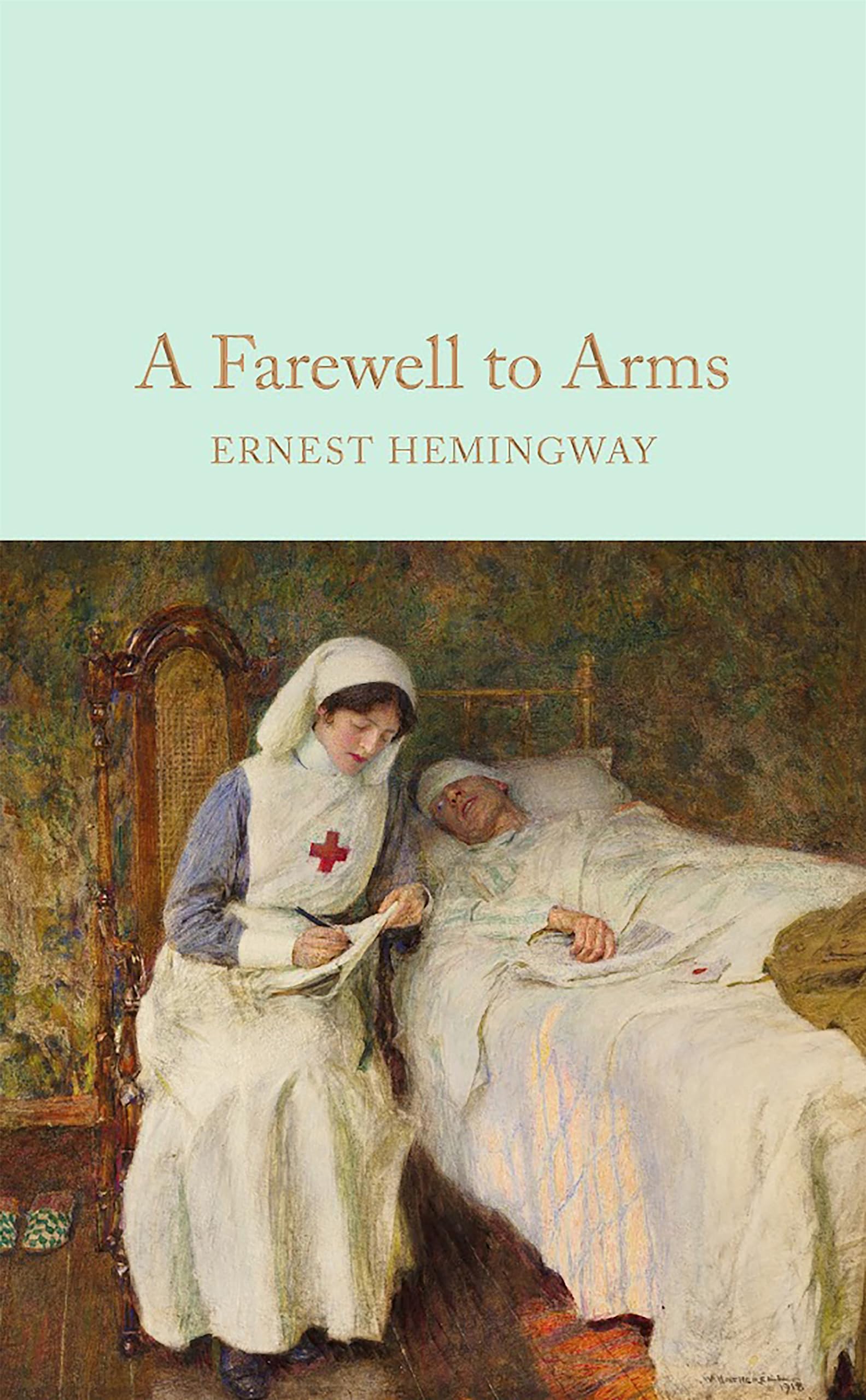
A Farewell To Arms (Macmillan Collector's Library) [Hemingway, Ernest] on desertcart.com. *FREE* shipping on qualifying offers. A Farewell To Arms (Macmillan Collector's Library) Review: A Timeless Tale of War and Love: A Review of 'A Farewell to Arms' by Ernest Hemingway - Ernest Hemingway's "A Farewell to Arms," which I read in its Kindle edition, is a masterful narrative that resonates deeply, especially in our current times rife with concerns about war. Told through the singular perspective of an ambulance driver in World War I Italy, Hemingway's work is a powerful exploration of love, war, and the human condition. The language of the novel is quintessentially Hemingway—sparse, economical, and impactful. Every word is meticulously chosen, ensuring not a single one is superfluous. This brevity in language contributes to the dreamlike, almost shell-shocked reality of the narrator, encapsulating the disorienting experience of war. Hemingway's portrayal of dialogues is unique; they are seemingly dissociated, reflecting the fragmented nature of thoughts and conversations during tumultuous times. The protagonist's journey is not just one of war, but also of profound personal growth, highlighted by his friendships with other men and his evolving relationship with a nurse, whom he grows to love. The unfolding love story amidst the chaos of war is poignant and touching. The characters' desire to marry, their near fulfillment of this dream, is a testament to the enduring nature of love in the face of adversity. Hemingway captures the essence of human longing and the relentless pursuit of happiness in the darkest hours. Reading "A Farewell to Arms" in the current global climate, where the dread of war looms large, one cannot help but reflect on the complexities of such conflicts. Hemingway reminds us that, often, the decision to go to war is not in the hands of those who fight it. This perspective makes the novel incredibly relevant, urging readers to contemplate the impact of war on individual lives and dreams. In conclusion, "A Farewell to Arms" is a timeless classic, a compelling read that is as relevant today as it was when it was first published. Its exploration of the human spirit, set against the backdrop of war, is both heart-wrenching and deeply moving. This novel is not just a literary masterpiece but also a profound commentary on the nature of war, love, and the human experience. Highly recommended for anyone seeking a book that is both thought-provoking and emotionally resonant. Review: Terse writing the Hemingway way - It's interesting to me how fictional books written with the backdrop of World War 1 differ so greatly with those written with the backdrop of World War 2. The WW2 books almost universally focus on the struggle of good versus evil: the heroics of the Allies, and the despicable nature of the Nazis and those who supported them. A WW2 Ally soldier had no reason to wonder why he was fighting, and what the objective was. Afterwards, the soldier need only look at the Holocaust to know that he did right to kill his enemies on the battlefield, and that the loss of so many fellow soldiers was part of a noble effort. ("Gee, I wonder if it was wrong to shoot that Nazi," would probably never be a line in any novel). Not so with WW1. In that war, it seems that no one was quite clear why they were fighting or what, exactly, the objectives were. Like any war, it was kill or be killed, but for what purpose exactly? (The same can be said from the point of view of the American soldier in the later part of the Vietnam War). In "A Farewell to Arms," Hemingway sucessfully captures the futility and madness of the War, and the absolute insanity that people fighting in it were driven to. Since the two main characters are an ambulance driver and a nurse, we see the horrible injuries and deaths suffered by soldiers on the battlefield, and get a good introduction to the wartime practice of medicine in the early 20th Century. Hemingway drove an ambulance during WW1 himself, and clearly knows his stuff. Don't ask me how, but "Farewell" is the first Hemingway book I've ever read. For some strange reason, I managed to avoid his work through High School (I recall that I perhaps was supposed to read "The Old Man of the Sea," but I either forgot it entirely, or read the Cliff notes). I have to say that I certainly enjoyed "Farewell," and plan to read more Hemingway in the future, but I struggled, at first, to get used to the writing. In the first 100 pages or so, I found the terseness and simplicity of the sentences to be a distraction, and wondered if, perhaps, the author was vastly over-rated. I also found the dialogue stiff and, on occasion, down-right bizarre. For instance, often the characters (especially Fred Henry) would respond to each other with a flat sounding "all right," which I thought didn't flow at all. But after awhile, the Hemingway style started to make an impression on me and I appreciated it, not only in the war scenes, but also concerning the romance between Fred and Catherine, which, although incredibly corny at times, worked for me. You could see the tragedy at the end a few chapters away (the blissful moments in rural Switzerland simply could not last), but it effected me even so. Frankly, I still prefer authors who use more complex sentence structure, but, as I kept reading this book, I grew more appreciative of what Hemingway was trying to accomplish with his style. PS: A good companion to "Farewell" is "All Quiet on the Western Front," which is from the point of view of a WW1 German soldier. Apparently,the other side had no clue why they were fighting that particular war either.


| Best Sellers Rank | #152,159 in Books ( See Top 100 in Books ) #28 in War Fiction (Books) #170 in Classic Literature & Fiction #621 in Literary Fiction (Books) |
| Customer Reviews | 4.3 4.3 out of 5 stars (11,659) |
| Dimensions | 4 x 0.75 x 6.2 inches |
| Edition | Limited Edition |
| ISBN-10 | 1909621412 |
| ISBN-13 | 978-1909621411 |
| Item Weight | 2.31 pounds |
| Language | English |
| Print length | 360 pages |
| Publication date | March 18, 2025 |
| Publisher | Macmillan Collector's Library |
| Reading age | 18 years and up |
B**M
A Timeless Tale of War and Love: A Review of 'A Farewell to Arms' by Ernest Hemingway
Ernest Hemingway's "A Farewell to Arms," which I read in its Kindle edition, is a masterful narrative that resonates deeply, especially in our current times rife with concerns about war. Told through the singular perspective of an ambulance driver in World War I Italy, Hemingway's work is a powerful exploration of love, war, and the human condition. The language of the novel is quintessentially Hemingway—sparse, economical, and impactful. Every word is meticulously chosen, ensuring not a single one is superfluous. This brevity in language contributes to the dreamlike, almost shell-shocked reality of the narrator, encapsulating the disorienting experience of war. Hemingway's portrayal of dialogues is unique; they are seemingly dissociated, reflecting the fragmented nature of thoughts and conversations during tumultuous times. The protagonist's journey is not just one of war, but also of profound personal growth, highlighted by his friendships with other men and his evolving relationship with a nurse, whom he grows to love. The unfolding love story amidst the chaos of war is poignant and touching. The characters' desire to marry, their near fulfillment of this dream, is a testament to the enduring nature of love in the face of adversity. Hemingway captures the essence of human longing and the relentless pursuit of happiness in the darkest hours. Reading "A Farewell to Arms" in the current global climate, where the dread of war looms large, one cannot help but reflect on the complexities of such conflicts. Hemingway reminds us that, often, the decision to go to war is not in the hands of those who fight it. This perspective makes the novel incredibly relevant, urging readers to contemplate the impact of war on individual lives and dreams. In conclusion, "A Farewell to Arms" is a timeless classic, a compelling read that is as relevant today as it was when it was first published. Its exploration of the human spirit, set against the backdrop of war, is both heart-wrenching and deeply moving. This novel is not just a literary masterpiece but also a profound commentary on the nature of war, love, and the human experience. Highly recommended for anyone seeking a book that is both thought-provoking and emotionally resonant.
T**R
Terse writing the Hemingway way
It's interesting to me how fictional books written with the backdrop of World War 1 differ so greatly with those written with the backdrop of World War 2. The WW2 books almost universally focus on the struggle of good versus evil: the heroics of the Allies, and the despicable nature of the Nazis and those who supported them. A WW2 Ally soldier had no reason to wonder why he was fighting, and what the objective was. Afterwards, the soldier need only look at the Holocaust to know that he did right to kill his enemies on the battlefield, and that the loss of so many fellow soldiers was part of a noble effort. ("Gee, I wonder if it was wrong to shoot that Nazi," would probably never be a line in any novel). Not so with WW1. In that war, it seems that no one was quite clear why they were fighting or what, exactly, the objectives were. Like any war, it was kill or be killed, but for what purpose exactly? (The same can be said from the point of view of the American soldier in the later part of the Vietnam War). In "A Farewell to Arms," Hemingway sucessfully captures the futility and madness of the War, and the absolute insanity that people fighting in it were driven to. Since the two main characters are an ambulance driver and a nurse, we see the horrible injuries and deaths suffered by soldiers on the battlefield, and get a good introduction to the wartime practice of medicine in the early 20th Century. Hemingway drove an ambulance during WW1 himself, and clearly knows his stuff. Don't ask me how, but "Farewell" is the first Hemingway book I've ever read. For some strange reason, I managed to avoid his work through High School (I recall that I perhaps was supposed to read "The Old Man of the Sea," but I either forgot it entirely, or read the Cliff notes). I have to say that I certainly enjoyed "Farewell," and plan to read more Hemingway in the future, but I struggled, at first, to get used to the writing. In the first 100 pages or so, I found the terseness and simplicity of the sentences to be a distraction, and wondered if, perhaps, the author was vastly over-rated. I also found the dialogue stiff and, on occasion, down-right bizarre. For instance, often the characters (especially Fred Henry) would respond to each other with a flat sounding "all right," which I thought didn't flow at all. But after awhile, the Hemingway style started to make an impression on me and I appreciated it, not only in the war scenes, but also concerning the romance between Fred and Catherine, which, although incredibly corny at times, worked for me. You could see the tragedy at the end a few chapters away (the blissful moments in rural Switzerland simply could not last), but it effected me even so. Frankly, I still prefer authors who use more complex sentence structure, but, as I kept reading this book, I grew more appreciative of what Hemingway was trying to accomplish with his style. PS: A good companion to "Farewell" is "All Quiet on the Western Front," which is from the point of view of a WW1 German soldier. Apparently,the other side had no clue why they were fighting that particular war either.
K**R
It's many years since I first read this, over 60. I had forgotten all but the nighttime flight up the lake into Switzerland. Perhaps Hemingway was of that mind but I never have fathomed why anyone in the First War would have voluntarily joined the Italian Army to supervise ambulance drivers. Or why anyone would have gone to Spain to fight in war not their own. But that was Hemingway - his story was that the evils of war was everyone's business. In this story there is essential courage and dedication until the realities of war (any war is a vicious interlude in our lives) bring out the realities and barbarism that comes over individual men when every moment could be life or death. And I do not find it difficult that either Henry or Catherine in the midst of a passionate discovery of each other would eventually flee to the safety of Switzerland. I found Rinaldo unnecessary to the story and somehow offensive; on the other hand, I found the Count delightful with his two bottles of champagne a day at 94, hoping to reach 100. For me, there were many sections that were long and drawn out far beyond what was requited in the story - but that is Hemingway and he is the one with the Nobel and the Pulitzer. But lurking under and alongside this story there is cruelty and sadness that Hemingway cannot seem to evade, and while he tries to make it a noble sacrifice at first, it later descends into tragedy. So far in my re-reading of Hemingway he has been excellent at turning a beautiful and passionate love into a hopeless tragedy. And at this distance, hopeless and pointless, although a five star hopeless and pointless. .
A**.
One of Hemingway's finest books.
S**D
I really enjoy these editions of hemingways books. This was my second novel of his and it was quite enjoyable.
J**N
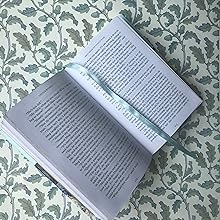
The 1-star review is not for the story (which is one of Hemingway's best) but for the Macmillan Collector's Library edition. I purchased this hardcover edition for my library, but had failed to notice the dimensions. It measures only 15 x 10cm (6 x 4 inches) and as such is smaller than almost all paperback books. It looks more like a pocket bible. As a result the letter type is tiny, almost impossible to read.
S**L
Great classic ood
Trustpilot
3 weeks ago
3 days ago