Desertcart purchases this item on your behalf and handles shipping, customs, and support to France.
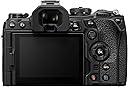
📷 Elevate your vision with OM-1 — where pro-grade speed meets stunning clarity.
The OM SYSTEM OM-1 is a cutting-edge mirrorless camera featuring a 20MP backside-illuminated Live MOS sensor paired with the TruePic X engine, delivering near full-frame image quality in a compact Micro Four Thirds form factor. It offers advanced computational photography capabilities, ultra-fast 120 FPS burst shooting, 4K UHD video recording, and robust weather sealing for reliable performance in challenging environments. Designed for professionals and enthusiasts seeking high-resolution, speed, and versatility in one sleek black body.

| ASIN | B09RQQM657 |
| Amazon 売れ筋ランキング | 家電&カメラ - 47,960位 ( 家電&カメラの売れ筋ランキングを見る ) コンパクトデジタルカメラ - 184位 |
| JPEG品質レベル | ノーマル, ベーシック, 微細 |
| USB2.0ポート数 | 1 |
| USB3.0ポート数 | 1 |
| USBポート数 | 1 |
| おすすめ度 | 5つ星のうち3.8 171 レビュー |
| お客様の年齢層 | 大人 |
| アスペクト比 | 4:3 |
| イメージキャプチャーの種類 | 静止画・動画 |
| オートフォーカス | はい |
| カメラフラッシュタイプ | ホットシュー |
| カラー | ブラック |
| カラースクリーン機能付き | はい |
| コンポーネントアプトプット数 | 1 |
| シャッタースピード | 1/32000 秒 |
| シリーズ番号 | 1 |
| タッチ画面タイプ | 静電容量方式 |
| ディスプレイの種類 | 液晶 |
| ディスプレイ固定タイプ | 関節運動する |
| ディスプレイ最大解像度 | 20.4 MP |
| デジタルスチル | はい |
| ハードウェアインタフェース | ブルートゥース |
| バッテリー付属の有無 | はい |
| パック数 | 1 |
| ビット深度 | 10ビット |
| ビデオキャプチャ形式 | MP4 |
| ビデオ出力 | HDMI |
| ビューファインダタイプ | 電子式 |
| ファイル形式 | JPEG, MP4 |
| ファインダー倍率 | 1.66インチ。 |
| フォトセンサー技術 | CMOS |
| フォーカスモード | コンティニュアスサーボAF(AF-C) |
| フォーカス機能 | オートフォーカス、マニュアルフォーカス |
| フォームファクター | ミラーレス |
| フラッシュメモリのスピードクラス | C10 |
| フラッシュ同調速度 | 1/250 sec |
| フラッシュ機能 | オート |
| ブランド名 | OM SYSTEM/オリンパス |
| ホワイトバランス設定 | オート |
| メモリースロット数とタイプ | 2 |
| メーカー名 | OMデジタルソリューションズ |
| メーカー型番 | V210010BE000 |
| モデルシリーズ | OMシリーズ |
| モータータイプ | デジタルズーム |
| リモコン付属 | いいえ |
| レンズ種類(レンズキットの場合) | 望遠 |
| 世代 | 第1世代 |
| 互換性のあるマウント | マイクロフォーサーズ |
| 付属品総数 | 1 |
| 保証内容 | 納品日より1年間。納品書必須。日本国内使用に限り保証。 |
| 内蔵メモリータイプ | SDXC |
| 写真センサーテクノロジー | CMOS |
| 写真センサー解像度 | 20 MP |
| 動画モード搭載 | はい |
| 動画画素数 | 2160p |
| 同梱商品 | カメラボディのみ |
| 商品の重量 | 599 グラム |
| 型番 | OM-1 |
| 対応ファイル形式 | JPEG, MP4 |
| 対応フラッシュメモリタイプ | SDXCメモリーカード |
| 対応マウント | マイクロフォーサーズ |
| 手ぶれ補正 | true |
| 手振れ補正 | true |
| 技術レベル | アマチュア |
| 撮像素子 | マイクロフォーサーズ |
| 撮影機能 | ムービー |
| 暗視機能付き | いいえ |
| 書き込み速度 | 100-120 fps |
| 最低拡張ISO | 80 |
| 最大拡張ISO | 102400 |
| 最大絞り値 | 4 ミリメートル |
| 最大絞り値(F) | 4 ミリメートル |
| 無線タイプ | Wi-Fi |
| 焦点の説明 | コントラスト検出AF |
| 特殊な用途 | フォトグラフィー、ビデオグラフィー |
| 特殊機能 | ライブビュー |
| 画面サイズの単位 | 3 インチ |
| 総静止画解像度 | 20 MP |
| 縦横比 | 4:3 |
| 計測の説明 | 平均、センターウェイト、スポット |
| 記録容量(GB) | 4 分 |
| 通信・接続インターフェース | USB |
| 連写速度 | 120 FPS |
| 露出制御タイプ | オート, マニュアル |
| 静止画の有効解像度 | 20.4 |
W**8
本当に「ほぼ新品」でした
ショット数570で「ほぼ新品」とあったので、お買い得と思い注文しましたが、届いたものも、本当に中古なのとかと疑ってしますほど完全に新品と思えるものでした。元箱も取説も付属品もすべてキレイな状態で、良い買い物をしました。「センサーに清掃跡があるが撮影影響なし」と書いてありましたが、うっすらとそれらしきものが認められますが、ほとんど軽微なもので、今後、撮影して拡大して確認してみますが、最悪でもセンサークリーニングすれば問題ないものと思われます。恐らくそのままでもOKかと。MFTはOM-5M2とLUMIXの2社品体制でしたがLUMIXは先週売却したので、今後はOM-1とOM-5M2のOM SYSTEM2台体制で行きます。フルサイズはNikon Z5Ⅱを持っていますが、重たくフルサイズの必要性もそんなに感じないので、もっぱらMFTばかり使ってしまいそうです。とにかく、両機をガシガシ使っていこうと思います。
ひ**ひ
操作性は慣れたら使いやすい
操作性は慣れたら使いやすい
ち**ー
中古でも問題無し
大変綺麗なボディで安心しました(中古なので仕方ないですが、取扱説明書が付属していなかったのが残念ですが)。動作は今のところ問題ないようです。
A**R
文字剥げがあり返品しました
文字剥げがあり返品しました。 楽しみにしていたのでとても残念でした。 検品きちんとしましょう。 時間と労力の無駄でした。
P**P
軽い、手ブレ補正強い
軽い、手ブレ補正が強い、星、花火、鳥等広範囲で使えます
ほ**い
野鳥撮影をガンガンするのでなければOM-1IIでなくてもいい
色んなサイトや動画で評されているとおり、良くも悪くも評判通りの印象。 たった数年前のフラッグシップ機が中古で13万円で購入出きるのは驚異と言って良い。 ハイエンド機への最初のステップにはとても良いと思う。 75mm-300mmの超望遠レンズをつけて野鳥撮影していても、全く苦にならない重さ。 もっとオートフォーカスの精度が欲しくなったら、OM-1IIにステップアップしよう。
K**I
Great camera
A top class flagship camera. An upgrade from em1, ISO 3200 is useable.
D**A
Good condition
S**Y
More technology than a space shuttle (maybe)
I moved from an M-10 to this machine. It is incredible. Every button and dial can be customised to your style of photography. There are 4 presets for perhaps, bird tracking, macro, portrait etc, built in ND filters which work really well (you will still need graduated) It works well in the dark with an amazing ISO level and IR reading. Coupled with the pro lenses it will get the best out of you as a photographer. Consider getting the battery pack for longer shooting, more preset options and easier to use rotation of the camera. Add a hand strap to manage the weight better and you won’t really notice the camera even when walking round the city for a day. What else, easy to use menu, with favourites settings, personalised art settings that process all with one shut of the buttons no need to keep turning the dial for multiple shots, The tracking of birds, dogs, trains, planes and F1 cars are superb as is the personalising of portrait mode and ease of subject selection for group shots. It takes some work to get used to it all, perhaps buy a good book and use OM’s on line videos to speed the process. I ( as you may tell) absolutely love it. Oh dont forget the highest standards of weather protection too.
G**G
Exzellente Kamera für jede Situation
OM Systems hat die OM1 im Verhältnis zu den Vorgängern bei Olympus (ich hatte mehrere wie z.B. die M1 Mark II) äußerst sinnvoll weiterentwickelt. Die Kamera verfügt über den weltbesten Schutz gegen Spritzwasser, Staub und Kälte; über einen extrem schnellen Autofocus bei Objekten aller Art (bei menschlichen Gesichtern gab es kleine Schwächen, die aber seit den Firmware-Updates 1.1 und 1.2 Geschichte sind), über einen eingebauten ND-Filter, eine Unzahl von teilweise einzigartigen Aufnahmemodi wie ProCapture, die sicherstellen, dass man wichtige Aufnahmen nicht versäumt, einen tollen und extrem verbesserten Sucher, ein wesentlich vereinfachtes Menüsystem, deutlich besseres Rauschverhalten (fotografiere viel mit 12800 ISO), die Möglichkeit, die Auflösung auf bis zu 80 MP hochzuschreiben durch einen High Resolution Mode (Handheld 50 MP), die vielleicht beste Bildstabilisierung aller Kameras (mit dem Objektiv 12-100 von Olympus machte ich knackscharfe Aufnahmen noch bei 4 Sekunden Aufnahmezeit!!!) und und und ... Mit einem Wort: es ist ein Vergnügen, mit dieser Kamera zu fotografieren. Sicherlich die beste Kamera, die ich je hatte (hatte auch eine Nikon Z6, in alten Zeiten auch Nikon F3, Leica M3 etc.) Und dazu auch - was ich mir aufgrund der neuen Firma nicht unbedingt erwartet hatte - einen extrem guten Kundendienst. Durch eine Dummheit meinerseits sorgte ich dafür, dass beim Update die Kamera nicht mehr ansprechbar war, da ich den Akku vorzeitig entnahm. Damit wurde die Kamera zu einer Art Ziegel. Ich schrieb dies an Olympus / OM Systems, 10 Minuten später hatte ich einen DHL Express Sticker für einen Gratisversand für eine Gratisreparatur nach Portugal und 6 Tage, nachdem meine Kamera in Portugal angekommen war, hatte ich sie schon wieder repariert in meinen Händen. Dazu kommt, dass die Garantiezeit der Kamera bei der Anmeldung bei Olympus um 5 Jahre verlängert wurde, worüber ich freudig überrascht war, da die 5-jährige Garantieverlängerung nach meiner Vorinformation eigentlich nur für Käufe bis Anfang März gegolten hatte. Ich verstehe daher die teils negativen Kommentare hier überhaupt nicht. Ich kann diese Kamera jedem Interessierten, der mit einem sehr kompakten, aber dennoch extrem leistungsfähigen System fotografieren möchte, nur bestens weiterempfehlen. Update 1.6.23: Nachdem ich die Bewertung durch sv124 gelesen habe, meine Reaktion dazu: alles, was sv124 schreibt, klappt bei mir. Das Rauschen ist deutlich geringer als bei der M1-II, ich mache absolut problemlos Aufnahmen von 12800 ISO ohne erkennbares Rauschen (mit Workspace), mit Einschränkungen sogar 25600. Vorher war bei 6400 ISO Schluss. Ich übertrage problemlos mit der App die Fotos auf mein Handy und kann auch über WLAN auslösen. Ich finde keineswegs, dass man für jedes kleine Update extra bezahlen muss. Im Gegenteil: verglichen mit anderen Fotosystemen erhält man enorm viel (von ProCapture beginnend, ND etc.) für sein Geld.
R**H
Improvement in many ways ... a worthy successor
The OM-1 needs no introduction as there have been enough professional reviewers that have gone through the camera and I am glad to say that they are right, this is a worthy successor to the flagship categorisation. Its computational functions are truly an improvement for a camera its class, and even works with lenses made to conform with the Four Thirds standards. Well done, OM System. Looks like there is nothing to worry about for the future. More importantly, this is the last camera to carry the Olympus name. Something that the Olympus faithfuls will like to add to their cabinet.
E**I
OM System flagship camera with Olympus pedigree
With the OM-1, OM System (the current owners of the former Olympus Imaging Division) has apparently succeeded in doing what Olympus failed to do for quite a few years before selling their camera business. In the years before this sell-off, Olympus released two cameras that should have been flagship models: The E-M1X and the E-M1 Mark III. The former, however, is a large, heavy and expensive "brick" that trades away the size- and weight-advantage of Micro 4/3 in return for relatively modest technical improvements, and the latter is only a minor and disappointing refresh of the E-M1 Mark II. Both cameras keep the same sensor as the Mark II, and much of its capabilities. JIP, the new owners, seem to have little or no experience of camera industry. In this case, it is probably a good thing, in the sense that the former Olympus engineers have been left free to implement the ideas that had been stymied for years by the Olympus leadership. For a price only about 150 € higher than the E-M1X, one gets a far better camera only imperceptibly larger and heavier than the E-M1 II/III, with a new sensor type, a pair of the latest-generation 4-core image processors working in parallel, and several new functions and improved performance in almost every respect (not in sensor pixel-count, but anyone who takes real pictures in the real world can tell you that 20 Mpixel is more than enough for over 95% of commercial image uses). The sensor itself has a group of four pixels under each microlens and Bayer filter. This means that the sensor is not really 80 Mpixel, but neither it is just a plain 20 Mpixel. For one thing, each group of four photodiodes can be used for AF, and still provides image data during the actual exposure (unlike the dedicated AF pixels of all Olympus E-M1 Mark I/II/III and E-M1x models). The stacked sensor architecture also means that, in spite of the four times higher number of photodiodes, each image is read out of the sensor twice as fast as in earlier models. Hopefully, like Olympus used to do before losing its ways, over the years the OM-1 firmware will continue to be gradually upgraded with new functions to take advantage of this sensor architecture and the plentiful reserves of processing power. As for me, I an happy that I did the right thing and, after the E-M1 Mark II, decided not to upgrade to later Olympus models because their improvements were simply too small to be worth the cost. The OM-1, instead, so far has proved to be everything I have been waiting for. I am keeping my E-M1 II and E-M1 "I" because I still have uses for them, and frequently use full-frame Sony Alpha cameras in the lab, but the OM-1 is quickly becoming my favorite camera for outings and field work.
P**R
Full frame, è davvero necessario?
Questo è più un ragionamento, le mie sensazioni con questa nuova mirrorless che ho da meno di una settimana. Premetto che ho avuto una APS-C Sony A6600 e possiedo una FF Sony A7III, di quest' ultima il punto di forza è certamente la qualità delle immagini anche in condizioni di scarsa illuminazione. Ho voluto sperimentare pregi e difetti del sistema micro quattro terzi, valutando l'acquisto delle top gamma. La scelta cadeva su 2 modelli: GH6 di Panasonic e questa nuova OM SYSTEM OM-1. La GH6 ha un anima sicuramente ispirata ai video. Credo che nessun altra mirrorless ibrida, abbia un'offerta così ampia su formati video di registrazione interna con diversi fattori di compressione. Prestazioni, qualità e le possibilità di intervento in post produzione, in questa macchina, sono certamente notevoli. La GH6 strizza l'occhio anche al mondo della fotografia con parecchie funzioni interessanti. Il corpo macchina, data la categoria, è però abbastanza pesante. Ma andiamo alla mia scelta, la OM-1. La mia sensazione, è che questa mirrorless ha al suo interno un motore che è capace di grandi prestazioni ma al momento non sfruttato al 100%. Ci saranno sicuramente futuri aggiornamenti firmware. Dal punto di vista fotografico le prestazioni sono da primato. Ad oggi è una macchina con una messa a fuoco eccelsa, credo che non abbia rivali neanche con le FF. Raffica da primato (120 fsp RAW, 50 in afc), foto a 20 megapixel che possono diventare 50 a mano libera o 80 su cavalletto. Ma la caratteristica che mi ha colpito più di tutte, dove OM SYSTEM ha davvero dimostrato di non avere competitor, è lo stabilizzatore sia su foto che su video (fino ad 8 stop). Si impugna bene, ogni tasto è dove dovrebbe essere ed è tutto personalizzabile, Il mirino è superlativo (OLED con più di 5M). Abbiamo a disposizione filtri 'ND live' direttamente sul corpo (un vero peccato non avere questo plus anche nella modalità video). La qualità fotografica finale è al top per la categoria del sensore.. Per questo, vorrei fare un piccolo confronto con il FF (potrebbe essere fuori luogo ma ci proviamo). "Si ma non è una Full frame", diranno i "full-framisti".. e alle basse luci, come si comporta? Rispetto al rumore iso, diciamo che sta a circa 1.5 stop di svantaggio rispetto alla mia sony A7III. In termini pratici, la OM-1 produrrà file RAW ad iso 2000 con un rumore del file che avrebbero avuto quelli della A7III a 5000/6000 iso. Sulla riduzione del rumore OM-System ha un suo algoritmo che si basa su AI utilizzabile in post produzione con il software proprietario (non l'ho ancora testato). La modalità di scatto a 50 megapixel, da usare con parsimonia a mano libera, elimina il "divario ISO" con la A7III. Quella ad 80 Megapixel è per uso esclusivamente su cavalletto. Non dimentichiamo che possiamo sempre utilizzare ottiche molto luminose (come ad esempio lo zuiko 12-40 pro ii f2.8 - eq. 24-80 in 35mm) senza accendere un mutuo come per sistemi FF. Sui video abbiamo ampie possibilità di scelta di formati (non come la GH6), dovremo "accontentarci", ad esempio, di flussi C4K (il vero 4K 17:9) registrati in H265 fino a 60p con 10bit di profondità e in FHD a 240p in H264 o 200p in H265. Nella modalità a 10 bit è possibile scegliere solo 2 profili: il profilo HLG (buona dinamica che non necessita di post-produzione) e OM-400 log (massima dinamica e post-produzione necessaria). Abbiamo motivo zebrato, peaking, assistenza alla messa a fuoco, ingresso microfono, uscita cuffie...insomma tutto il necessario per i videomaker. Se abbiamo una collezione di SSD da svariati Tera possiamo anche collegare un registratore esterno e sfruttare l'uscita HDMI in RAW 12bit ProRes. Ad ogni modo i file sfornati con registrazione interna (H265 a 10bit) sono, per me, qualitativamente buoni. Ah... La OM-1 è tropicalizzata, nessun problema con pioggerellina e/o polvere e non scalda come qualche sorella maggiore o minore. Credo che con questa macchina si potrà essere in grado di fare molto bene sia foto che video, la batteria originale sembra non finire mai. Davvero un ibrido affidabile veloce e preciso. Possibili migliorie, lato video, firmware auspicabili: - Registrazione video contemporanea su entrambi gli slot SDXC UHSII (al momento questa opzione è solo sulle foto) - Live ND sui video - 4.2.2 10 bit registrazione interna? (la vedo più difficile ma sperar non nuoce) Possibili migliorie, lato foto, firmware auspicabili: - Non mi viene in mente nulla, è perfetta E il prezzo? Più di 2000 euro per il solo corpo sono un po' troppi, certo è l'ammiraglia dell' m4/3 ma sempre di una m4/3 si parla. Con il kit del nuovo 12-40 f2.8 (24-80 in 35mm) è sicuramente più "conveniente". Infine, per chi pensa che FF è meglio, credo che l'affermazione non sia del tutto veritiera. Sono semplici scelte, motivate da ingombri e tecniche di scatto differenti. Sulla profondità di campo, solo per fare un esempio, non è sempre detto che avere un sensore m4/3 possa essere svantaggioso. Qualcuno, i full-framisti, direbbero: "Ehhhh ma lo sfocato che ho, è imbattibile.."... Se è una necessità avere, ad esempio su un ritratto, una profondità di campo ridotta al SOLO capillare dell'occhio a fuoco, utilizzando lenti ad aperture di f1 con 2kg di vetro, allora comprate ad occhi chiusi una FF (magari una Nikon Z9 o Canon R5) o meglio ancora un medio formato con relative ottiche e non rimarrete delusi, anche ad alti iso. Se invece, per le vostre esigenze, volete il massimo delle prestazioni ibride racchiuse in un corpo macchina da 500gr, la OM-1 potrebbe essere la scelta giusta. La tecnologia avanza e quello che riesce a tirare fuori questo sensore m4/3 era impensabile fino a 5-6 anni fa'.
Trustpilot
1 month ago
1 week ago