

Buy anything from 5,000+ international stores. One checkout price. No surprise fees. Join 2M+ shoppers on Desertcart.
Desertcart purchases this item on your behalf and handles shipping, customs, and support to France.
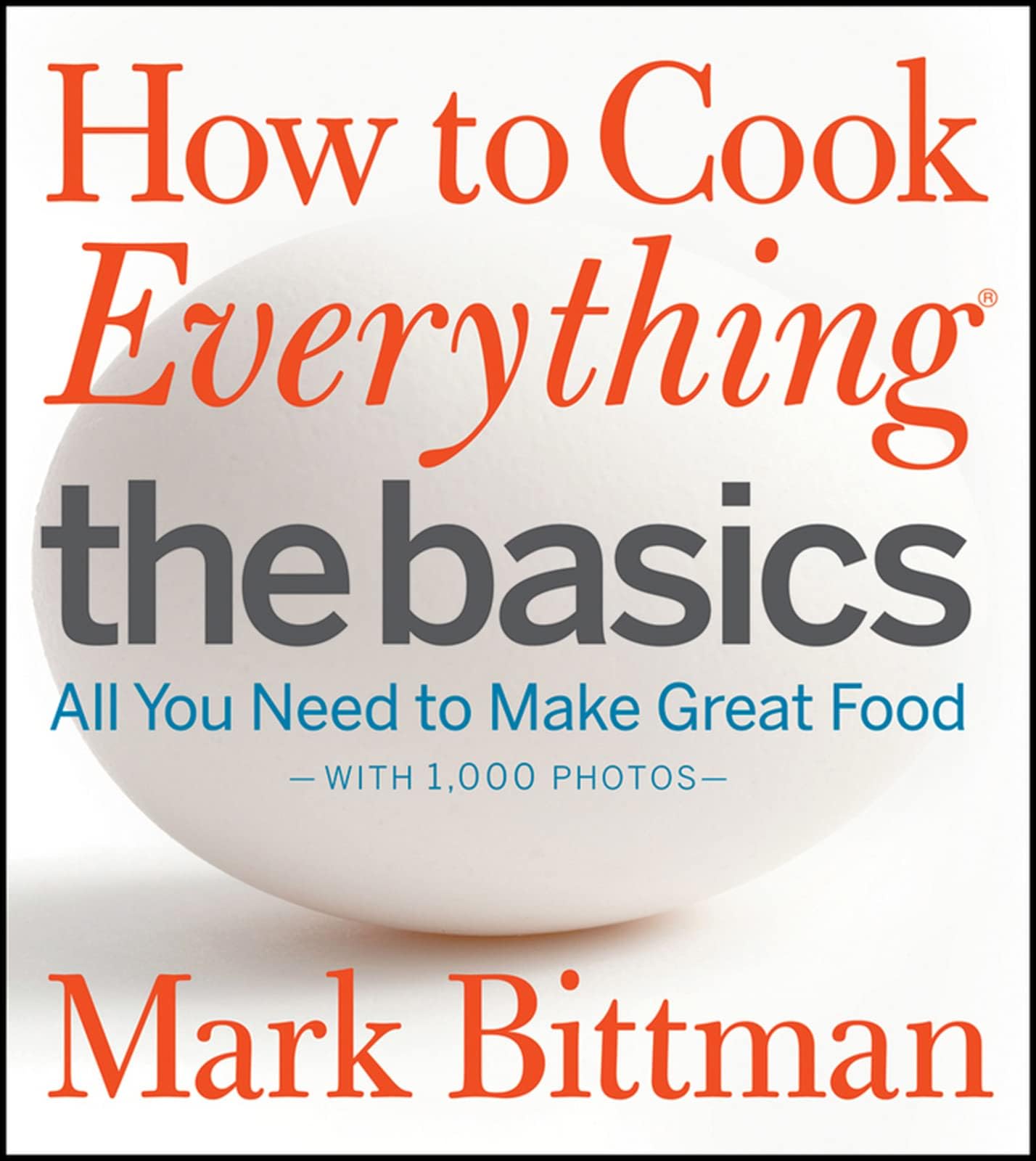
The next best thing to having Mark Bittman in the kitchen with you Mark Bittmanโs highly acclaimed, bestselling book How to Cook Everything is an indispensable guide for any modern cook. With How to Cook Everything The Basics , this essential cookbook for beginners reveals how truly easy it is to learn fundamental cooking techniques and recipes. From dicing vegetables and roasting meat, to cooking building-block meals that include salads, soups, poultry, meats, fish, sides, and desserts, Bittman explains what every home cook, particularly novices, should know. 1,000 beautiful and instructive photographs throughout the book reveal key preparation details that make every dish inviting and accessible. With clear, step-by-step instructions, Bittmanโs practical tips and variation ideas, and visual cues that accompany each of the 185 recipes, cooking with How to Cook Everything The Basics is like having Bittman in the kitchen with you. This is the essential teaching cookbook, with 1,000 photos illustrating every technique and recipe; the result is a comprehensive reference that is both visually stunning and utterly practical. Special Basics features scattered throughout simplify broad subjects with sections like "Think of Vegetables in Groups," "How to Cook Any Grain," and "5 Rules for Buying and Storing Seafood." 600 demonstration photos each build on a step from the recipe to teach a core lesson, like "Cracking an Egg," "Using Pasta Water," "Recognizing Doneness," and "Crimping the Pie Shut." Detailed notes appear in blue type near selected images. Here Mark highlights what to look for during a particular step and offers handy advice and other helpful asides. Tips and variations let cooks hone their skills and be creative. Review: An easy to follow cookbook for beginners and pros. - This book by Mark Bittman is one of the most approachable, confidence-building beginner cookbooks you can buy. It does exactly what the title promises: teaches fundamentals without overwhelming you. The layout is wonderfully clean, the tone is friendly, and the step-by-step photosโover a thousand of themโmake techniques like chopping, sautรฉing, roasting, and seasoning instantly understandable, even if youโve never cooked before. Speaking of the photographs, the food actually looks like something you could prepare and be proud of, not some ultra-stylized art piece that looks great but could never be eaten. Just sayinโ. Bittman focuses on real kitchen skills, so you actually learn why things work, instead of blindly following instructions. The dishes themselves are simple, flexible, and forgiving, which is perfect for new cooks. Overall, this book lets you confidently step into the kitchen and removes the fear of cooking. It sets you up to make consistently good food at home because youโll actually understand what youโre doing. Itโs a practical, confidence-boosting guide that earns its place in any starter kitchen. Even if you are not a beginner, Iโll bet youโll still find some inspiration between these pages. Highly recommended. Review: It's hard to described how much this has helped my cooking... - I'd shared cooking duties for years with my wife, and my subtle teenager summed it his take on my skills: "Dad, your cooking just has a low upside." Ouch! After one too many comments I decided to really learn to cook. So I thought, like any skill, the first step was to fully master the basics, then branch out. So, you can see how I was attracted a book titled "How to Cook Everything - the Basics." As a non-chef interested in learning fundamental skills, here's why I found this book so valuable: - Each recipe introduces you to new skills, starting easy and progressing to more advanced. Even if you don't cook each recipe, you learn a lot just reading through them. - There are pictures showing you how to prepare the dishes. For example, there was a pumpkin pie recipe that showed exactly when to recognize that it should come out of the oven - with just a bit liquidy in the center. While this could have been described, I found it much easier to understand visually. And there are full-color visuals like that for every recipe. - Each recipe includes variations, so you can start to learn how to improvise - what works with what. That also makes the recipes much more varied. - Really helpful for me, he emphasized "taste and adjust" for all your cooking. I never really did that and am learning that it can make the difference between okay and very tasty. - If you go through all the sections, you'll be inevitably be introduced to things you'd never have considered. We made bulgar with feta and shimp. I honestly had never even heard of bulgar, but it was quite tasty! - In the beginning of the book, there's a few sections about what you should have in your kitchen by way of utensils, spices, etc. That's probably in other books but I found it helpful. - I think it introduces you to a very wide range of food types and cooking skills, so that after you've plowed through it you can feel confident you've at least been exposed to most techniques. For me, the big test was Thanksgiving dinner, which I'd never cooked before. In addition to turkey, we had mashed potatoes, stuffing, glazed carrots, and homemade pie. To say my family was amazed was an understatement, and I felt like the How to Cook Everything made it seem simple, and not very stressful. I would like to point out some downsides: - I also purchased the Kindle version. While it's a fine complement to the book, I wouldn't suggest buying it instead of the book. Why? They changed the order somewhat and I found the tips/pictures for preparation pretty hard to follow. - Remember when your third-grade teacher said, when you open a new textbook, you need to "break the binding?" I didn't do that and after a couple months the pages started falling out. So, do open the book the the middle, stretch the pages flat, and so so for every 50 pages or so. - If you're already an accomplished cook, or just not a clueless as I was, this might be too basic. He has a lot of other books I'm sure would be better for you. BUT, if you never learned the basics, read through the book, try a select set of recipes, and you'll be amazed with your new-found cooking expertise! Bon Appetit!


| Best Sellers Rank | #7,512 in Books ( See Top 100 in Books ) #1 in Vietnamese Cooking, Food & Wine #5 in Raw Cooking #9 in Soups & Stews Cooking |
| Customer Reviews | 4.7 out of 5 stars 2,674 Reviews |
S**Y
An easy to follow cookbook for beginners and pros.
This book by Mark Bittman is one of the most approachable, confidence-building beginner cookbooks you can buy. It does exactly what the title promises: teaches fundamentals without overwhelming you. The layout is wonderfully clean, the tone is friendly, and the step-by-step photosโover a thousand of themโmake techniques like chopping, sautรฉing, roasting, and seasoning instantly understandable, even if youโve never cooked before. Speaking of the photographs, the food actually looks like something you could prepare and be proud of, not some ultra-stylized art piece that looks great but could never be eaten. Just sayinโ. Bittman focuses on real kitchen skills, so you actually learn why things work, instead of blindly following instructions. The dishes themselves are simple, flexible, and forgiving, which is perfect for new cooks. Overall, this book lets you confidently step into the kitchen and removes the fear of cooking. It sets you up to make consistently good food at home because youโll actually understand what youโre doing. Itโs a practical, confidence-boosting guide that earns its place in any starter kitchen. Even if you are not a beginner, Iโll bet youโll still find some inspiration between these pages. Highly recommended.
J**R
It's hard to described how much this has helped my cooking...
I'd shared cooking duties for years with my wife, and my subtle teenager summed it his take on my skills: "Dad, your cooking just has a low upside." Ouch! After one too many comments I decided to really learn to cook. So I thought, like any skill, the first step was to fully master the basics, then branch out. So, you can see how I was attracted a book titled "How to Cook Everything - the Basics." As a non-chef interested in learning fundamental skills, here's why I found this book so valuable: - Each recipe introduces you to new skills, starting easy and progressing to more advanced. Even if you don't cook each recipe, you learn a lot just reading through them. - There are pictures showing you how to prepare the dishes. For example, there was a pumpkin pie recipe that showed exactly when to recognize that it should come out of the oven - with just a bit liquidy in the center. While this could have been described, I found it much easier to understand visually. And there are full-color visuals like that for every recipe. - Each recipe includes variations, so you can start to learn how to improvise - what works with what. That also makes the recipes much more varied. - Really helpful for me, he emphasized "taste and adjust" for all your cooking. I never really did that and am learning that it can make the difference between okay and very tasty. - If you go through all the sections, you'll be inevitably be introduced to things you'd never have considered. We made bulgar with feta and shimp. I honestly had never even heard of bulgar, but it was quite tasty! - In the beginning of the book, there's a few sections about what you should have in your kitchen by way of utensils, spices, etc. That's probably in other books but I found it helpful. - I think it introduces you to a very wide range of food types and cooking skills, so that after you've plowed through it you can feel confident you've at least been exposed to most techniques. For me, the big test was Thanksgiving dinner, which I'd never cooked before. In addition to turkey, we had mashed potatoes, stuffing, glazed carrots, and homemade pie. To say my family was amazed was an understatement, and I felt like the How to Cook Everything made it seem simple, and not very stressful. I would like to point out some downsides: - I also purchased the Kindle version. While it's a fine complement to the book, I wouldn't suggest buying it instead of the book. Why? They changed the order somewhat and I found the tips/pictures for preparation pretty hard to follow. - Remember when your third-grade teacher said, when you open a new textbook, you need to "break the binding?" I didn't do that and after a couple months the pages started falling out. So, do open the book the the middle, stretch the pages flat, and so so for every 50 pages or so. - If you're already an accomplished cook, or just not a clueless as I was, this might be too basic. He has a lot of other books I'm sure would be better for you. BUT, if you never learned the basics, read through the book, try a select set of recipes, and you'll be amazed with your new-found cooking expertise! Bon Appetit!
C**.
gorgeous step-by-step photos & easy-to-follow recipes
The book's title -- How to Cook Everything: the basics, All You need to Make Great Food -- sums up the contents of this nearly-500-page gem accurately. Bittman provides a variety of recipes, ranging from the most simple (scrambled eggs, fruit smoothies) to somewhat elegant (Pork Stew with Chinese Flavors), all illustrated by step-by-step photographs and clear instructions. This would be a perfect book for a beginning cook, because everything is well-explained. But it's also a beautiful treat for someone more accomplished in the kitchen. The book begins with a lengthy chapter on "getting started," which provides guidance on selecting utensils and equipment, preparing food, even clear instructions o how to hold a knife, and how to chop, mince, slice, and peel. Cooking terms are explained clearly, so the reader will come to understand the difference between steaming, grilling, sauteeing, braising, and roasting, and frying. Remaining chapters cover breakfast, appetizers and snacks, salads, soups and stews, pasta and grains, vegetables and beans, meat, poultry, seafood, breads, and desserts. The book is fun to look at and fun to read. Many of the recipes are on the simple side, with relatively few and simple edients and uncomplicated preparation. All of the recipes come with a list of tips and a list of variations, to help figure out how to avoid common mistakes and make adjustments. For example, in the simple recipe for Fried Eggs, the tips include a discussion of why fat matters, and how choosing olive oil or butter will affect the end product. There's a lovely explanation on the basics of salad dressing and how to make good dressings. this is a great book to have around for reference as well as for cooking ideas. Well worth the money.
N**F
Good Motivation, Broadens your Skills!
I am already a fan of Mark Bittman from some of his other cookbooks and from his New York Times cooking column on the web. I don't think of myself as a beginner in the kitchen and I do a lot of cooking, but I'm mostly self taught from cookbooks, TV chefs, and things I've found on the Internet. I got this book with the idea of using it as sort of kitchen basic training. I thought it might broaden my skills by showing me how to do some things I hadn't tried and perhaps give me some hints and ideas which might even be useful for the things I already do make. I have to say that this book is really excellent for someone like me with those goals. I've had it less than two weeks and have already fixed several of the recipes, with several more I will be trying soon. Everything has come out very well so far, including some things I never expected to try such as making my own pickle spears. The fact that there are so many photos with the recipes is a real motivation. The pictures of the final dishes look so good that they really make you want to prepare them, and the other photos show you step by step what you'll need to do. There are chapters on meat, poultry, seafood, pasta and grains, vegetables and beans, soups and stews, and so on. Not a lot of recipes in each chapter, but chosen to illustrate types of preparation (e.g. braise, saute, roast, and fry) and basic principles for the type of preparation being covered. There are hints for avoiding common mistakes and making adjustments when necessary. Everything is very accessible, with no exotic ingredients you wouldn't find in you local supermarket and fairly straightforward preparations. There are a bit under 200 recipes here, and though they do include suggestions for variation, some things I would have liked to see aren't covered. I have been thinking for a while about trying Bittman's recipes for quick roast duck or braised duck legs from Mark Bittman's Quick and Easy Recipes from the New York Times: Featuring 350 recipes from the author of HOW TO COOK EVERYTHING and THE BEST RECIPES IN THE WORLD . I would have enjoyed finding those recipes or something like them here so that I could watch him do it step by step, but in fact there are no duck recipes at all. There is also nothing on making common sauces such as Hollandaise or Bechamel. Still, this book is a great place to learn a lot of basic skills and get some good ideas even if it won't show you quite everything. Once you are comfortable here it will be easy to find more recipes in something like the book I mentioned above or even Bittman's other excellent work How to Cook Everything, Completely Revised 10th Anniversary Edition: 2,000 Simple Recipes for Great Food . The ideas, hints, tips, and skills you've picked up here will be easily applied.
I**E
I use it so often, it's falling apart!
A year and a half after getting this cookbook, it's starting to fall apart, as you can see from my photo. Even though the binding isn't meant to last forever, I'm giving it five stars because it has really helped me learn to cook. I bought How to Cook Everything - The Basics after I started living alone for the first time and realized that my cooking skills were pretty much limited to pasta with store-bought sauce and salads with store-bought dressings. I'm not a super-skilled chef yet, but this book has helped me pick up some basic cooking techniques, and get more comfortable in the kitchen. The recipes are great - There are a lot of the fairly simple yet delicious recipes that I think are necessary to learn before you move on to fancier stuff. Be sure to read the side notes on the right side of the page, even if a particular recipe doesn't appeal to you. The author gives lots of ideas for switching up the recipe to make it totally different. (For example, if you don't like carrots, you can still make maple-glazed carrots...The side notes give you ideas on how to switch out carrots for other veggies.) Here are a few of my personal favorites, to give you an idea of the types of recipes you'll get: Poached Eggs: So simple, yet I never had any idea how to make them. I never even liked eggs before. Now I make egg and cheese sandwiches regularly. Oatmeal from Scratch: Takes longer than the instant stuff I'm used to, but so much yummier! Egg Drop Soup: Who knew that it's pretty much as easy as boiling water and mixing in some eggs, soy sauce and sesame oil? Pasta with Garlic and Oil: Not quite as fast as just tossing garlic into pasta water, but much better tasting. Boiled Greens - Put spinach in boiling water, add some butter and salt, and you've got a great side dish. Quick Skillet Beans with Tomatoes- Tomatoes cooked with frozen edamame is so good! Rice Pudding in the Oven - Takes a while to make, but worth it, especially when you need some winter comfort food. Chili from Scratch, Stir-fried Chicken with Broccoli, Cold Noodles with Peanut Sauce - Yum! Anyway, there's a lot more, and a lot of things that I haven't made yet, but those are the recipes that I find myself making repeatedly. Hope that helps!
Q**N
What is salad?
I learned how to make a salad with this book. No, no, don't think "it's so easy, who needs to learn!" No, no. Before this, I make salad this way: go to the grocery, buy pre-boxed chopped vegetable, buy a bottle of dressing like sundried tomato and then a bag of garlic toast croutons. Now, I make a salad this way: buy 4 different kind of fresh vegie, as fresh as I can get. Learned how to clean them, and store them (so important, did you know they last for days?). Make my own croutons, such act that I never knew possible, and easy like making toast (3 mins top, and last for days). Make my own dressing (olive oil, vinegar of some sort, salt and papper). Toss them up and a salad. Flavor is woefully light, vegetable so fresh it's, well, refreshing. Croutons seasoned and not soaked in oil like the ones in the bags. I make my own bread (also in this book, 10 active minute, the rest watching tv and waiting). Everything in this salad is made from the basic ingredients. This is a "made" salad, nothing was processed, nothing pre-packaged. Each component was made from its basic ingredients. So I go around and tell people I learned how to make a salad proudly. They laughed, not understanding the delicate tastes of fresh ingredients and the simplicity of making it. They were a little shocked to taste my salad, so was I. It tastes so different! Well, which restaurant (or person for that matter) ever served us their salad with everything made from scratch (even the bread for the croutons)? None! With this I have learned what kind of lettuce there are, how croutons are made, what dressing consist off (and how light they should be, and how little they should be on the salad). And the time it takes to make a refreshing salad is so little that it shocked me. Like that one time I saw they sell "pre-diced" onions... does it take that long? (I also learned how to dice onion from this book). A true appreciation for food and cooking apparently is not from having tasted the best food, but the joy of how to make a delight meal with the slightest bit of effort, from the fundamentals. I ate my food right in the kitchen, because it felt like a chief seemingly threw something together at the end of his work day, so much different and simpler from what he make all day, and yet manage to blow my mind with it. When he's not trying to impress any guests with fancy techniques and exotic ingredients, his dish is the distillation of his arts. Anyway. I learned how to boil egg yesterday. And I shall be proud to share it to everyone I know. Also, i bought the joy of cooking, found at good will for $5. I learned how to set up a table from that book.
R**L
Perfect for beginners!
I dont typically write reviews but I felt like I needed to for this one. I'm 29 and before this book, I barely knew how to cook anything. Cooking was overwhelming to me for many reasons, but mostly because there are so many different ways to cook things and I would never know when meat would be finished cooking and I would end up scared of food poisoning ๐ and just overcooking everything ๐. I found this book based off a friends suggestion and I am completely impressed. I have tried online recipes before but would get frustrated because I dont know the basics, i.e: what size pan to use, how to know when food is done, how much a "dash" of salt is. I needed specifics. Like teaching cooking to a baby. I would get frustrated and lose interest in cooking. Well let me tell you! This book explains it all. Including boiling water (which thankfully I already knew how to do ๐). The pictures also really help. There is an answer for every question you have. And I had alot of questions lol. I can pick recipes for the week and check all of the ingredients to make sure I have them beforehand. This is my first week using this book, but I am really starting to enjoy cooking; something I thought would never happen for me. I am so thankful somebody took the time to break down the basics in this book. I think it's changing my life! (Thanks Mark Bittman!) Anyway, I realize this was a long review (there are so many good things to say about this book I can't even list it all) but if you feel like you could use a little help and some detailed instruction, this is the book for you!
H**.
A Really Great Comprehensive Cook Book For All Levels
First and foremost this is an absolutely fantastic book and worth every penny. Here's why: The book is beautifully hard bound and more than 480 pages of cooking information that is very well done. The book does in fact have 1,000+ pictures to show you what you should be doing along the way instead of just the final product. The sections are as follows: Why cook? Getting started Breakfast Appetizers and snacks Salads Soups and Stews Pasta and Grains Vegetables and Beans Meat Poultry Seafood Breads Desserts Making Menus List of Lessons Index Converting Measurements The information really does cover all of the basics. There is information on basic techniques such as how to properly hold your knife, what different methods of cooking (boil, broil, saute, etc.) are and how to do them. Information on picking your ingredients to ensure they're fresh and/or ripe is also included along with proper storage of the ingredients and proper cooking temperatures. The recipes vary in difficulty from how to make a very basic guacamole to a more complex braised beef with wine. The skill levels do start as basic as how to properly remove rosemary from the stem and progress as the book progresses. Overall this is an incredibly valuable resource for the beginner cook or even those that want to know how to cook like a chef does with proper knife techniques, etc. As someone that can cook I'd still add this to my cookbook collection for the recipes it includes even if I don't need the beginner skills. We purchased this for a young family member wanting to learn to cook for their self and intend to purchase this in the future for anyone and everyone wanting to learn to cook and it would even make a nice wedding gift along with some bakeware, cooking utensils, etc. A fantastic purchase!
A**E
Great book for beginners and more
Great book with a lot of pictures to describe the very detailed descriptions step by step. If it just wasnโt for the stupid cups and spoons measurements. But definitely not the fault of the book.
I**T
Amazing book.
I only wish I had this book earlier.
J**S
Amazing book for beginners!
Mark, thank you! This book is exactly what I needed. I went through so many cookbooks with complicated recipes, no pictures, and obscure ingredients. I became so frustrated. . . then I found this book. Mark lays out of the basics, gives easy (but delicious) beginner recipes, and loads them with pictures. His e-book is expertly designed, and the best part? You can tell Mark is an expert chef. He knows what every spice, ingredient, and food is doing, and he can communicates it so well. Mark, you are a lifesaver!
C**Y
This is the cookbook people need in their lives
This is the book that helped end my fear of the kitchen. I started out with the chicken and broccoli stir-fry, it helped to get a grounding on the basics of flavour combinations and methods to add or reduce flavours you like or dislike. Everything is explained in a way that puts you in the driving seat with your teacher by your side. You can read and revise methods to understand the how and the why behind some techniques, this is helpful if you're someone who graves a lot of detail and explanation. There are handy alternatives which help you to see how versatile food can be! It's also great because it teaches you what you can substitute if you don't have or like some ingredients. There's a great chapter on baking which is great at the end. Really appreciated the conversions at the back of the book as well. 5 stars because they're due. I would shake the author's hand in gratitude if I could.
M**.
Great
Great for beginners, has fundamentals and easy recipes to practise on. Recipes are quite simple in flavour, good as somewhere to start. Would recommend.
Trustpilot
2 weeks ago
4 days ago