Desertcart purchases this item on your behalf and handles shipping, customs, and support to France.
🎶 Elevate your tone, own the groove—strings that speak your style.
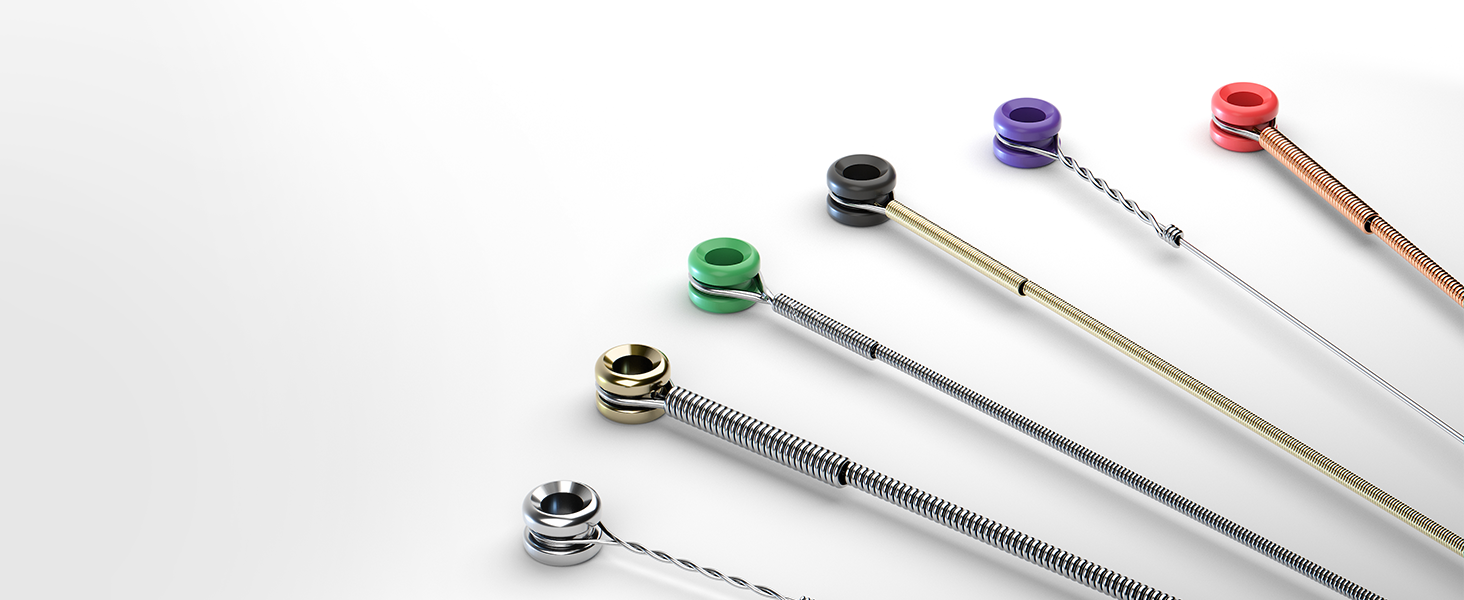
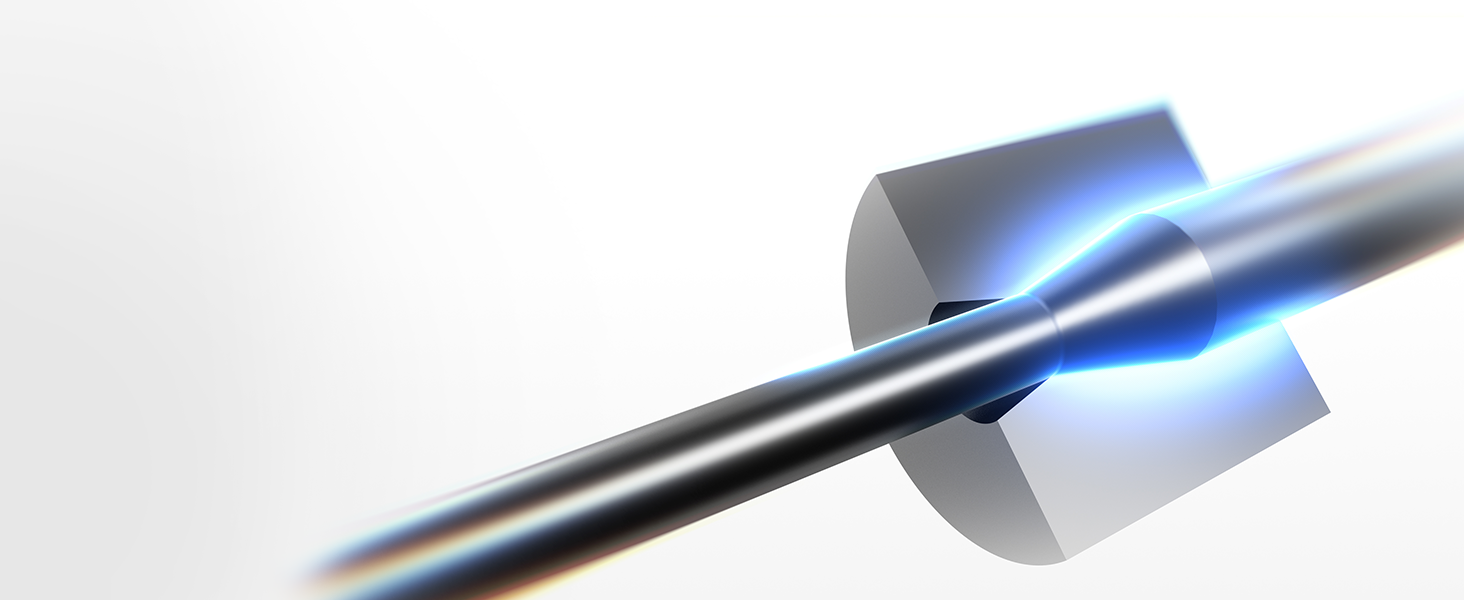
D'Addario ECG24 Jazz Light Chromes are premium flatwound electric guitar strings designed for smooth, finger-noise-free play and a warm, mellow tone. Featuring a polished stainless steel flattened ribbon wrap over a Hex-Core steel core, these strings deliver precise intonation, durability, and a rich sound favored by jazz and blues professionals. Made in the USA with eco-conscious packaging, they offer consistent performance and reward points for dedicated players.


| Asin | B000EEL5X8 |
| Best Sellers Rank | #706 in Musical Instruments (See Top 100 in Musical Instruments) #12 in Electric Guitar Strings |
| Body Material Type | Chrome |
| Brand Name | D'Addario |
| Coating Description | coated |
| Color | ECG24 - Jazz Light |
| Customer Reviews | 4.8 4.8 out of 5 stars (4,436) 4.8 out of 5 stars |
| Finish Type | Polished |
| Global Trade Identification Number | 00019954147044 |
| Included Components | Guitar Strings |
| Instrument | Electric Guitar |
| Item Type Name | Viola - Acoustic |
| Item Weight | 0.3 g |
| Manufacturer | D'Addario &Co. Inc |
| Manufacturer Part Number | ECG24 |
| Material Type | Stainless Steel |
| Model Name | D'Addario |
| Model Number | ECG24 |
| Number Of Items | 1 |
| Number Of Packs | 1 |
| Recommended Uses For Product | Electric Guitar |
| Set Name | Jazz Light 11-50 |
| Sound Profile | Warm, Mellow |
| String Gauge | Jazz Light |
| String Material Type | Chrome |
| Unit Count | 1 Count |
| Upc | 019954147044 |
| Warranty Description | K. |
User
Great for mellow tones in general - Superb for Jazzmasters
I used these on both my Jaguar (Am Pro II) and Jazzmaster (Am Original 60s).How they're different form round wound strings:Flat wound = no string sliding noise. This can be considered a pro or a con depending on your preferences. It's also useful considering the next point...Wound G = nigh impossible full step bends. The ECG24s are already thicker than typical round wound strings, and the G string in this set requires a lot of effort to get a full step bend. It's possible, but requires a more effort than I'm used to - or even capable of - doing casually. But with the noiseless sliding, it's easy enough to slide up that full step when you can to compensate.Thicker = Setup adjustments. I used these on guitars that were set up with 9s prior. It took a little bit of tweaking to get the action back to where I liked it. Not a ton, but a little. There were zero changes needed at the nut, these should slot right in to any guitar set up for standard gauge strings.On the Jaguar, they replaced what I set up most of my guitars with; a set of D'Addario EXL120s. They, unsurprisingly, darken the tone compared to a set of light gauge strings and create a very mid-forward timbre. I like the way they feel, and it's a fun change of pace, but I'll probably buy the ECG23PLs next to see if I can get back some of that brightness. If those don't do it, I might go back to EXL120s. That's just how I like my Jaguar to sound. Your tastes and preferences may be different.On the Jazzmaster, Wow. I had always heard that Jazzmasters benefit greatly from flat wounds, but I never wanted to believe it. Now I'm a believer. Anyone who's picked up a JM can attest to the amount of treble they typically put out. The ECG24s took that treble heavy EQ and effectively flattened it out. It now has an excellent and pleasant balance across the whole frequency range to my ear. The treble bite remains, but it's been tamed to a level that isn't as harsh on the ears. They also seem to have deadened the sympathetic vibrations that JM bridges are known to inherently have. They've been effectively eliminated from mine, and I'm still using the stock threaded saddles that the guitar came with. I will definitely continue using these for my JM.Overall, I say they're worth a try on any guitar you may own. But, they are a must-try for anyone that owns a Jazzmaster.Pro Tip: If you want to try flats and still want brighter tones, get an EQ pedal. Everyone should have a Boss GE-7 in their arsenal anyway.
User
Special sound & feel
Long time player, but first time to play Chromes or any flat wound. Put them on my go-to ES-339 semi-hollow and a rarely played Telecaster. Both had been strung with Pure Nickels and had been for some time, 12s & 11s respectively. But, playing them with Chromes has been a truely enjoyable experience, sonically and tactile-wise.The Chromes have a unique and special tone that I really like. They are warm with fewer overtones allowing the fundamental to stand out. For much of the jazz-blues music I play, they sound even better than the Pure Nickels. I was particulary surprised at difference they made on the Telecaster, resulting in a lot more play. On the downside, the Chromes relative lack of overtones & sustain will limit them for other types of music.The 12s I put on the 339 are stiff, and making even half-step and smaller bends on the treble strings took some effort. However, tuned down a 1/2 step, full step bends were doable but still not easy. Basically, if you need to bend, these are a poor option. Vibrato is also more difficult even tuned down. However, the 10s I put on the Tele allowed me to do full bends and vibrato with the about same effort as with Pure Nickel 11s.Incredibly smooth. The feel is quite different from round wound strings, but in a good way, and the finger noise is gone. I don't play slide, but I can see that the Chromes would work well with that.Although I like the Chromes sound, the Pure Nickels are just more versatile with easier bends, more sustain, and a brighter & better mid-range. On the 339, I'll eventually go back to Pure Nickels, but on the Tele I'll likely keep using Chromes.
User
Good quality string
When I was a teen, I hated flat wound strings. They just didn't feel right and as they wear out they get sharp edges, etc. In spite of all of this, 15+ years later I decided to give it a go on my 50's spec tele I built. I'm glad I did too. The strings I had before were pure nickel 12s, and I loved them but I wanted to try something else. These really captured that early Luther Perkins tone that I like, especially with songs like I Walk the Line. Pretty certain he used either nickel or flats in the middle position of his Esquire. Great for Jazz, Blues, Rockabilly, Country, classic rock and roll, etc. I don't play these genres but I could also see them being useful in harder to rock and metal genes to fight string squeak, especially with higher gain tones that amplify everything. They do get a little duller with time but honestly it's not crazy or "dead" sounding, although I could see that being an issue with darker sounding pickups. I've had these on about a year now and they've still got clarity. I'd say they're good strings.
User
bought these by accident - they are uncomfortable but I'm amazed by their sound
I'm sure why I bought these and had no idea what I was getting into. I like to play a jazzmaster heavily overdriven through a boss blues and then a fuzz pedal, preceded by a wah, through a fender Princeton. Sound is like heavy david gilmour. These strings are very different from anything I've used in the past, which have always been cheap ernie ball wound strings. Here are the cons (after a couple days of playing): They feel weird - very unnatural without the regular wound feel. My fingers do not slide as well on them - they feel sticky, kinda like a suction cup feel. Also, the G string (well I tune a step down, but you know what I mean). - is really weird. It is not your typical thiner string. It is a fat one, and it's really hard to bend it up a half step. I mean, it IS possible, but you have to bend it really far to bring the note up a whole step. Weird. The B & E are bendable, yet thicker than I'm used to.When I first installed these strings, I was like WTF, and actually was thinking to rip them off and replace them. But, I didn't have any other strings on hand, so I just played my guitar like usual, jamming out to some blues, classic rock, psychedelic backing tracks. Then I began to notice - the guitar's voice had been significantly altered. And here is the reason I'm not really sure what I'm gonna do, and I may even leave them on, or buy a second guitar, maybe a strat, which I can set up with regular strings --- the Jazzmaster, with these strings, changes sound so much, it's unbelievable. It adds balls, weight, grit....it almost makes it sound like what I'd imagine a reallly good Les Paul might sound like (that's a guess). For anything that involves non-soloing - playing chords, playing songs, there is a significant improvement in sound. The guitar now, through the setup I'm using, has without a doubt the best sound I've ever been able to produce in my life. I'm going to have a hard time taking these strings off this thing because of that. I was a little concerned my fingers might take too much of a beating trying to bend these fat ass strings, but idk - I think I'm gonna try to limit my playing to ~30 min / day while my fingers adapt and stick with these, and like I said, maybe get a second guitar that's set up with regular strings ( nickel wound 10 - 13 - 15 xxx ). Here's another thing - so an issue I have when soloing is I am going in the direction where I play so many notes I kinda sometimes feel like I'm just jabbering away and making sounds without making musical statements. What these thicker strings do for me, is they kinda make it harder to play quite as fast, but each note you do play will have more character, so it encourages me at least to slow down a little and really enjoy the articulation??? ( the character ) you can put into less notes. In other words - my playing actually sounds, to me, more professional, more like what I hear on great records....bottom line, these are friggin amazing, yet uncomfortable in ways, strings.
User
Good sounding strings but not for all guitars
These strings have a very nice low end and are great for heavy, grungey riffs. However, I find them less than optimal for normal playing, as they are difficult to bend and the high end is not very pronounced, making solos sound dull, and making playing riffs on the first three strings sound muted. I also made the boneheaded mistake of putting them on a floyd rose bridge meant for much lighter strings, so the string action on my guitar was very high with these strings. I would definitely put them on a different guitar with a fixed bridge though, as I do really like the grungey tone of the lower two strings, and they are smoother than standard strings so slides are much easier. Perhaps a hybrid setup would be optimal on something like a Les Paul. On any other 24 fret guitar though, I would stick with Ernie Ball Super Slinkies.
User
D'Addario XL Chromes are all I use
I have these on my headless 7 string guitar, my 6 string guitar, my 5 string bass, and my short-scale 4 string bass. The only guitar I currently own which DOESN'T have Chromes is my acoustic, although I did try them for a while. I found that the acoustic sounded odd, but the rest sound great. Obviously, 'tone' is subjective, but I find that these strings are mellow without sounding 'dead', and they sound that way for YEARS. I change strings when one breaks. I have no doubt that the bass guitars will last forever, and my electric guitar strings last for years between changes. Unlike every set of round-wound strings I've ever used, there's little or no difference in the sound between fresh strings and those that have been on there for a long time. They stay in tune, feel great, and although they cost a little more, the fact they last so long means they're less expensive overall.
User
I never want to go back to roundwounds ever.
At first, when I strung up my guitar, I worried. These strings are heavier, and have more tension. They lifted the tremolo/vibrato way too far forward.I thought I made a big mistake, but I was going to give it a try anyways, I'm so glad I did. Once I got it set up, it plays like a dream. Suddenly I find myself wanting to slide up and down the strings for fun. I'm convinced that Hendrix must've used flats because suddenly his style makes a bunch more sense.At first, they are so clean, that they might feel like they have an unnatural stickiness to them, but after a little playing that disappears. As these are a little heavier, you'd think that they'd be harder to bend, but that is the exact opposite of what happens. They bend very easily, and left hand vibrato feels so much more natural.Aside from the play-ability improvement, the TONES are GORGEOUS! Even before you plug in, you'll notice the vast improvement in tonal quality. Harmonics are clearer and easier to sound as well.If you've never tried these before, give it a shot. You won't regret it.You WILL need to set your guitar up all over again. Follow these instructions and you'll be fine.1. Start by lowering the saddle height at the bridge. It will lessen the amount of lift on your bridge's tremolo. These strings sit higher in the saddle than round wounds.2. chances are, that these are heavier than the strings you are replacing, therefore, you'll have more pressure on the neck, so you'll probably need to grab a 4.5 mm hex wrench tighten the truss rod 1/4 to 1/2 turn clockwise. (I'm not responsible for damage to your truss rod. Proceed with caution especially if you feel like you have to force it.)3. You'll probably need to tighten the springs on your bridge's tremolo (unless you're using a hard tail). Once you get your normal 15 degree lift on the bridge, check the saddle height again and season to taste.
User
Woody Organic Sauce Tone
Smooth, buttery tone. Pairs really well with my telecaster. Definitely more muted and thumpy than my round wounds, and I really like that woody , organic Timbre. I always use D'addario, and typically go with the longer lasting XLs. With flatwounds, I find that age tends to work in their favor tone wise. Playing wise though, I have been using these for a few months now regularly, and have not noticed much of deterioration in the strings, or playing ability. Great strings, average price, definitely fun to use.
User
Excelente tono
He probado muchas cuerdas buscando unas con gran tono y finalmente las he encontrado. Se puede tocar jazz con ellas con las pastillas del mástil y funk o rock con la pastilla del puente. Duran muchísimo tiempo sin perder el tono ni oxidarse. Son muy suaves al tacto y no producen ruido al deslizarse por las cuerdas. Advierto que el grosor las hace duras y eso dificulta hacer bends con ellas. Pueden ser demasiado para alguien que venga de usar cuerdas .008 o .009, pero para mí, el tono tan cálido y redondo justifica el esfuerzo de fortalecer los dedos.
User
Great flat-wound strings
A must have! The best flat wound strings on the market, you might want to get 2-3 packs at once!
User
Great for Jazz or Carnatic music
Smooth feel (smoother than Ernie Ball flats)
User
Love it.
I’ve been a huge fan of elixir brand stings ever since I got my acoustic Taylor’s and then switched to elixirs on all my electrics.It’s been 3 weeks of using these flat wound strings and love it. The feel is easy, It’s become comfortable playing extended chords. And fingers crossed it lasts as long as my elixir’s and since their flat wound start sounding better & better as the months' pass.
User
La référence...
J'utilise ces cordes depuis des années sur une Godin.Le son, la qualité/durabilité et la douceur d'utilisation sont là.Le seul défaut, commun à toutes les cordes à filé plat, : pour les bends c'est un demi-ton max.
Trustpilot
3 days ago
1 week ago